November 16, 2026
What to Check Before Booking a Polaris Dune Buggy Ride in Dubai
By @dunebuggyadventuredubaitimes
Checking the Vehicle Condition
A Polaris dune buggy is a serious piece of off-road equipment. Before you confirm a booking, it pays to look at the machine itself. Start with the tyres. Desert sand is abrasive and hot, so tyre condition matters more than on a paved road. Look for visible wear, cuts, or bulges. The tread should be deep enough to grip loose sand without slipping sideways on a dune face. Next, check the roll cage. This is the metal frame that surrounds the driver and passenger. It should be straight, free of cracks, and properly bolted to the chassis. A damaged roll cage offers little protection in a rollover, which is the main risk in a dune buggy. Also examine the harness seatbelt. It should be a four- or five-point belt, not a simple lap strap. Pull it tight and make sure the buckle clicks securely and releases cleanly. If the webbing is frayed or the latch feels loose, that is a red flag.
Another point is the steering wheel. Turn it from lock to lock. It should move smoothly with no grinding or excessive free play. A jerky or stiff steering wheel can make controlling the buggy on uneven terrain difficult. The gas pedal should have a firm spring-back and not stick when pressed. A sticky pedal could cause the vehicle to accelerate unexpectedly. One local option is Al Badayer Desert Dubai - Dune Buggy & Quad Biking Dubai. While you are looking at the vehicle, also check the wheels and suspension. The four-wheel drive system should engage without hesitation, and the suspension should show no oil leaks from the shock absorbers. A well-maintained Polaris buggy will feel solid and responsive before you even start the engine.
Al Badayer Desert Dubai - Dune Buggy & Quad Biking Dubai is also on Facebook.
Understanding the Terrain and Trail
Dubai's desert is not a single surface. It ranges from hard-packed gravel flats to soft, shifting dunes that can swallow a buggy up to its axles. Ask about the specific desert trail you will be on. Some trails are graded for beginners with gentle slopes and wide turns. Others are steep, with sharp crests where the buggy can become airborne. If you are new to off-roading, a beginner trail is the safer choice. Also ask about the length of the route. A short loop of 20 to 30 minutes is very different from a two-hour expedition that goes deep into the desert. The longer the ride, the more important vehicle comfort and reliability become. Confirm that the route includes rest stops or a support vehicle, especially if you are going far from the main road.
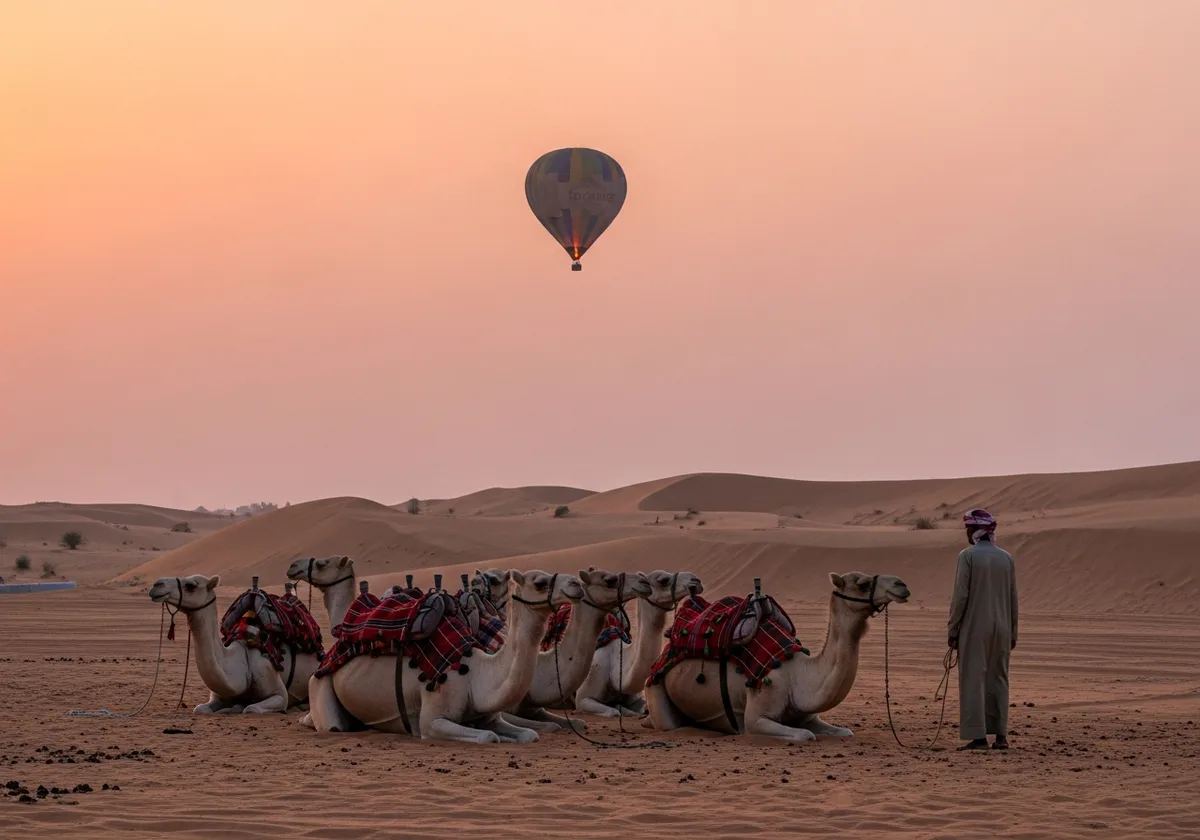
Another factor is the time of day. Summer heat in Dubai can exceed 45 degrees Celsius, and the sand reflects that heat upward. Early morning or late afternoon rides are more comfortable and safer. The sun angle also affects visibility on the dunes. Late afternoon light can create deep shadows that hide dips and rocks. If you book a ride during the middle of the day, make sure the buggy has a roof or at least a canopy for shade. Remember that the desert is an open environment. There are no barriers, signs, or rescue services. The trail might be marked only by tyre tracks from previous rides. Check whether the operator provides a guide who leads the group or a GPS tracking device. Both help ensure you do not get lost or separated from the group.
Safety Briefing and Training
Before you drive off, the operator should give a clear safety briefing. This should cover how to start and stop the buggy, how to use the harness seatbelt, and what to do if the vehicle tips over. Pay attention to the part about body positioning. In a dune buggy, you should keep your hands and feet inside the roll cage at all times. Reaching outside can lead to serious injury if the buggy brushes against a dune or a bush. The briefing should also explain how to handle a stuck buggy. Driving in soft sand requires a light touch on the gas pedal and smooth steering. If you get stuck, rocking the vehicle back and forth while gently pressing the accelerator can free it. Digging out the sand from under the buggy is sometimes needed, but that should be done with the engine off and the vehicle stable.
If the operator offers a short practice session on flat ground before hitting the dunes, take it. This lets you get used to the steering wheel response and the gas pedal sensitivity. Each buggy model feels different, and an unfamiliar vehicle can cause hesitation at the wrong moment. Also ask about the maximum speed of the buggy. Some Polaris models can reach speeds of 80 km/h or more on open sand. That is fast enough to launch the buggy off a dune crest if you are not careful. A responsible operator will advise a safe speed based on your experience level and the trail conditions. They should also enforce a helmet rule. Even though the buggy has a roll cage, a helmet protects your head from flying debris and impact in a rollover. Make sure the helmet fits snugly and has a visor to keep sand out of your eyes.
Insurance and Liability
Off-road driving carries inherent risks. Before you book, clarify what insurance coverage is included. Does the booking price cover damage to the buggy? What about medical expenses if you are injured? Some operators offer a damage waiver that limits your financial responsibility if you crash the vehicle. Others hold you liable for the full repair cost. Read the terms carefully. It is worth confirming with whichever business you choose whether your personal travel insurance covers off-road activities. Many policies exclude motorised adventure sports unless you pay an extra premium. If you are renting a buggy for a private outing, ask whether the operator provides third-party liability insurance. This protects you if you damage someone else's property while driving. Also check the excess or deductible amount. A high deductible might make a minor accident very expensive for you.
Another point is the age and licence requirements. In Dubai, driving a dune buggy on public land often requires a valid driving licence. Some operators accept a licence from any country, while others require an international driving permit. If you are under 25, there may be a surcharge or a restriction on the vehicle power. Confirm these details before you pay a deposit. Also ask about the cancellation policy. Desert weather can change quickly. A sandstorm or heavy rain can make the trail unsafe. A reputable operator will offer a refund or reschedule in such conditions. Avoid operators that have a strict no-refund policy regardless of weather. You can check the general reputation of an operator by searching for reviews of desert buggy experiences in Dubai. Look for comments about vehicle maintenance, guide professionalism, and adherence to safety rules. While you are researching, you may come across resources like dunebuggyrentalsdubai.com that provide information on what to expect from a dune buggy tour. That kind of site can help you compare different operators and their safety practices before you commit.

What to Wear and Bring
Your clothing affects both comfort and safety. Loose, long-sleeved shirts and trousers protect your skin from sunburn and sand abrasion. Closed-toe shoes are essential. Sandals or flip-flops can slip off the pedals or get caught in the machinery. A scarf or a bandana to cover your mouth and nose helps when the buggy kicks up dust. Sunglasses or goggles are also important. The desert sun is intense, and flying sand can irritate your eyes. If the operator does not provide goggles, bring your own. A small backpack with water is a good idea, even if the ride is short. Dehydration can happen quickly in the heat. Some buggies have a small storage compartment, but it is safer to carry a bottle with you. Do not bring anything that could fall out of the buggy, such as loose items in your pockets. Secure your belongings in a zipped bag or a pouch attached to the roll cage.
Also consider the condition of the vehicle you will drive. If the buggy has an open design without doors, you will be exposed to the elements. Dust and sand will get on you and your gear. A camera or phone should be in a sealed plastic bag or a waterproof case. Many operators offer a helmet with a built-in camera mount, but check if that is allowed before attaching your own device. Finally, remember that the desert is a natural habitat. Do not disturb wildlife or vegetation. Stick to the designated trail to minimise your impact on the environment. The dunes are fragile, and tyre tracks can last for years. Responsible riding helps preserve the desert for future visitors.
For those who want to explore the dunes in a controlled and safe manner, preparation is key. Understanding the vehicle, the terrain, and the safety protocols can make the difference between a thrilling adventure and a stressful experience. Whether you are a first-time rider or an experienced off-roader, taking the time to check these details beforehand ensures that your time on the sand is enjoyable and incident-free. Resources such as dunebuggyrentalsdubai.com can offer additional guidance on what to look for when choosing a buggy tour. The desert is a beautiful but demanding environment, and the right preparation lets you appreciate it fully without unnecessary risk.
Al Badayer Desert Dubai - Dune Buggy & Quad Biking Dubai operates from Almas Tower - First Floor, Office #06 - الثنيه الخامسة - أبراج بحيرات الجميرا - دبي - United Arab Emirates.
❧